Product Understanding
TSOs in Germany: Who Controls the Grid, and What It Means for Your Asset
Key Takeaways
TSOs maintain the balance between electricity supply and demand in real time
Germany has four TSOs, each managing a separate control area
TSOs procure FCR, aFRR, and mFRR to stabilise the grid
Flexible assets like BESS can participate in these balancing markets
What a TSO Does
The stability of the electricity grid depends on an invisible but critical balancing act: at every moment, the amount of electricity fed into the grid must match the amount consumed. The entities responsible for maintaining this balance - and for ensuring power can flow reliably across regions and borders - are called Transmission System Operators, or TSOs.
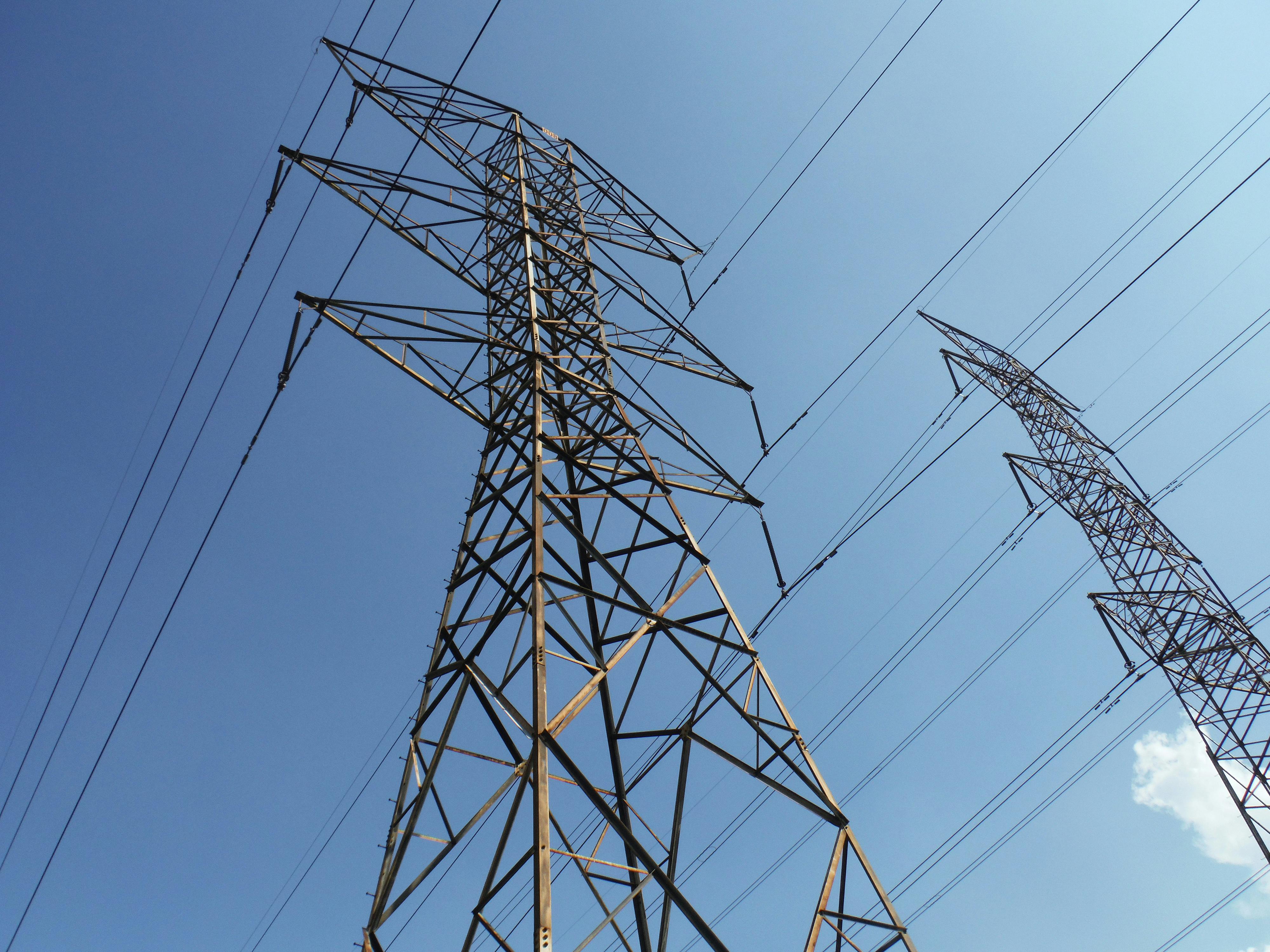
A Transmission System Operator is responsible for the high-voltage electricity transmission network within a defined control area. Their core responsibilities include operating and maintaining the transmission grid, ensuring non-discriminatory access to the grid, and critically maintaining the continuous balance between electricity supply and demand in real time.
TSOs monitor grid frequency at all times. In Europe, the target frequency is 50 Hz. If more electricity is generated than consumed, frequency rises; if consumption exceeds generation, it drops. Deviations of more than ±0.2 Hz are already classified as a significant disturbance and trigger the full activation of primary reserves. Only if frequency continues to fall, automatic emergency measures kick in: from 49.0 Hz, load is shed in stages, and at 47.5 Hz power plants disconnect from the grid - the point at which a blackout becomes unavoidable.
Balancing Services: How TSOs Keep the Grid Stable
To maintain frequency stability, TSOs procure and activate three types of balancing reserves, each operating on a different timescale:
Frequency Containment Reserve (FCR) - activated automatically within 30 seconds in response to frequency deviations. Germany procures FCR jointly with several neighbouring countries in a common auction.
Automatic Frequency Restoration Reserve (aFRR) - activated automatically by the TSO's control system, starting after 30 seconds and fully activated within 5 minutes, to restore frequency to 50 Hz after the FCR response.
Manual Frequency Restoration Reserve (mFRR) - manually activated by the TSO, fully activated within 5 to 15 minutes, used when longer-lasting imbalances require additional support.
TSOs in Germany
Germany's transmission grid is divided into four control areas, each managed by a separate TSO:
50Hertz - northern and eastern Germany, including the Berlin area and a large share of Germany's onshore wind capacity.
Amprion - western and south-western Germany, one of the most industrially dense regions in Europe.
TenneT - a north-to-south corridor from the Danish border to the Alps, critical for transporting offshore wind energy southward.
TransnetBW - most of the transmission grid in Baden-Württemberg.
All four TSOs operate under the legal framework of the German Energy Industry Act (EnWG), which mandates the reliable, efficient, and non-discriminatory grid operation.

TSOs and the Energy Transition
As renewable energy generation expands, the role of TSOs is evolving. Solar and wind output is variable and weather-dependent, introducing greater volatility into the supply-demand balance.
In response, TSOs are investing in grid expansion, advanced forecasting systems, and new market mechanisms that allow a wider range of assets, including batteries, demand response, and aggregated flexible loads, to contribute to grid balancing.
For asset owners, this evolution represents a growing opportunity: as TSOs require more flexibility from more sources, the commercial case for participating in balancing markets strengthens.
Sources: SMARD, Regelleistung.net, ENTSO-E